

Xian Season Biotechnology Co., Ltd has been focusing on the production and sales of natural plant extracts, cosmetic raw materials,health supplements material,food additives,OEM service since 2015.Our raw materials and OEM capsules get very good feedback from overseas customers.
Why Choose Us
Quality Control
From the raw materials selection to the final product, there are strict technical controls to ensure the stability of product quality.Our products support the third-party lab test.
Rich experience
10+ experienced sales always here to help you,we believe that get one order is not the final, after-sales service is the beginning of long-term cooperation.
One Stop OEM Customization
Accept OEM Capsules,gummies,softgel,tablets,subpackaging.
Advanced Equipment
Modern production lines and clean workshops that comply with GMP standards,advanced experimental facilities and testing instruments.




Sweeteners Specifications
|
Sweetener |
Key Ingredients |
Description |
|
Aspartame |
Aspartic acid, Phenylalanine |
A combination of two amino acids, producing a sweetener about 200 times sweeter than sugar. |
|
Sucralose |
Sucrose, Chlorine |
Modified sugar molecule where certain hydroxyl groups are replaced with chlorine atoms, increasing its sweetness. |
|
Saccharin |
Toluene derivatives |
Derived from toluene, creating a compound that is 300-500 times sweeter than sugar. |
|
Steviol Glycosides (Stevia) |
Stevia plant leaves |
Extracts from the leaves of the Stevia plant, providing a natural, zero-calorie sweetness. |
|
Erythritol |
Glucose (from starch) |
A sugar alcohol produced by fermenting glucose derived from starch. |
|
Acesulfame Potassium (Ace-K) |
Acetoacetic acid, Potassium |
Combines acetoacetic acid with potassium to create a sweetener that is about 200 times sweeter than sugar. |
|
Neotame |
Aspartic acid, Phenylalanine, 3,3-dimethylbutyraldehyde |
Similar to aspartame but significantly sweeter, and structurally different due to the addition of 3,3-dimethylbutyraldehyde. |
|
Xylitol |
Xylose (from wood or corn cobs) |
A sugar alcohol derived from xylose, found in various fruits and vegetables or extracted from wood or corn cobs. |
Sweetness without sugar
One of the main selling points of artificial sweeteners is the ability to add sweetness to foods without adding any actual sugar.
Calorie control
Sugar substitutes have significantly less calories than real sugar. Most of them don't truly contain zero calories, but they contain such a negligible amount that manufacturers can write “No Calories” on the label.
Used in weight-loss diets
Prior to beginning a weight-loss diet, a person may be accustomed to eating sugary beverages and foods. Consuming artificial sweeteners can provide a “bridge” for a person who's changing their eating habits. It allows them to slowly wean off of real sugar and eventually cut out sweetened foods and beverages.
Diabetics/pre-diabetics
Artificial sweeteners don'affect blood sugar the same way that real sugar does, making it useful for people managing diabetes or pre-diabetes.

Types of Sweeteners
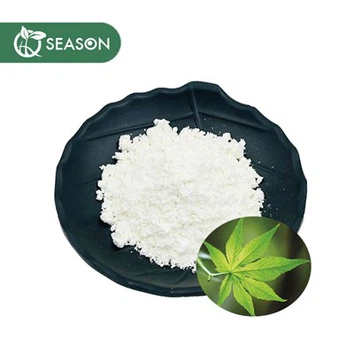
Rubusoside
The product is a light yellow to off white powder with high sweetness, low calories, a refreshing sweetness similar to sucrose, safe to consume, and non-toxic side effects, making it an ideal sweet substitute.
Trilobatin
Trilobatin is a natural dihydrochalcone sweetener extracted from the sweet tea. It is a light yellow to off-white crystalline powder, non hygroscopic, easily soluble in hot water and ethanol, and slightly soluble in cold water.
Thaumatin Powder
Thaumatin powder is a kind of white to white natural sweetener. It is obtained by crushing and sieving the frozen dried fruit skin, dissolving it in pH2.5~4.0 water, filtering out the high molecular protein in the solution by ultrafiltration, and then freezing drying or spray drying the protein.
Thaumatin Protein
Thaumatin protein is a super sweet substance extracted from the nut skin of the natural plant Thaurnatocuccus danielli, and is a natural protein.Now approved for use in many countries, it is a promising natural food sweetener.
Application of Sweeteners
Food and Beverage
Non calorie sweetener, suitable for coffee, chocolate, chewing gum, beverages, cold drinks, desserts, baked goods, etc.Enhance the flavor of dairy products and cocoa, as well as the effectiveness of their use in spices
Daily chemical industry
It can improve the bitterness of certain amino acids and the astringency of tannins.
The Manufacturing Process
Chemical Synthesis of Sweeteners
This process involves a controlled reaction that binds these molecules together, resulting in a compound approximately 200 times sweeter than regular sugar.
Extraction and Refinement
Some sweeteners like steviol glycosides, derived from the stevia plant, require an extraction process. Here, the sweet compounds are extracted from the plant leaves, followed by a purification process to isolate the sweet components.
Fermentation
Erythritol is produced through fermentation. Here, glucose from corn or wheat starch undergoes fermentation using yeasts or fungi, producing erythritol while retaining its natural sweetness.
Enzymatic Conversion
This method is used for sweeteners like sucralose, where specific enzymes are employed to replace select hydroxyl groups in the sugar molecule with chlorine atoms, amplifying the sweetness level.
Our Certifications

FAQ
As one of the most professional sweeteners manufacturers and suppliers in China, we're featured by quality products and good price. Please rest assured to buy bulk sweeteners for sale here from our factory.
truvia diabetes, green stevia, now stevia